The COVID-19 pandemic has transformed global air travel, posing unprecedented challenges for airlines worldwide. Among major airlines, United Airlines has been proactive in this post-pandemic environment. With increasing passenger expectations, higher safety standards and rapidly changing market conditions, airlines have had to adopt innovative strategies to remain competitive. Understanding United Airlines’ adaptations provides insight into broader travel trends and the future of commercial aviation post-pandemic.
The aviation industry’s recovery depends on a number of factors, including passenger confidence, regulatory compliance and operational efficiency. United Airlines has leveraged its resources and technology to address these areas while positioning itself as a leader in customer service and sustainability.
Investing in Health and Safety Measures
United Airlines’ main focus post-pandemic has been to improve passenger health and safety. Comprehensive cleaning protocols, high efficiency air filtration systems and contactless procedures have been implemented across the fleet.
Studies show that modern aircraft with HEPA filters can remove 99.97% of airborne particles, providing passengers with safety during the flight. United Airlines has also introduced contactless check-in, mobile boarding passes and digital menus in line with broader post-pandemic travel trends that emphasize minimal physical contact.
Adapting to Changing Passenger Preferences
There has been a lot of change in travel behavior since the pandemic. Now the demand for flexible booking, direct flights and personal services is high. United Airlines has responded by offering flexible ticketing options, enhanced loyalty program benefits and tailored travel packages.
Data shows that almost 60% of travelers prefer flexibility and reimbursement when booking flights after the pandemic. By addressing these priorities, United Airlines is improving the airline’s customer experience and fostering long-term loyalty, a key factor in recovering from pandemic-induced travel hesitancy.
Leverage Technology for Efficiency
Technology plays a central role in United Airlines’ post-pandemic strategy. Advanced booking systems, real-time flight updates and AI-powered operational planning have streamlined airline operations.
For example, predictive analytics helps optimize flight routes and crew allocation, reducing delays and cancellations. By integrating these technological tools, United Airlines not only improves operational efficiency, but also improves the overall customer experience for the airline, a key differentiator in today’s competitive market.
Expanding Routes and Service Offerings
To meet the changing demand patterns, United Airlines has strategically expanded its routes, particularly focusing on domestic and short-haul flights, which have seen a rapid recovery. In addition, in line with the increase in leisure travel seen in post-pandemic travel trends, the airline has increased service to leisure destinations.
Business travel remains below pre-pandemic levels; However, United Airlines has revamped its premium services to attract back this segment, offering amenities such as better seating, faster check-in and dedicated lounges to enhance the airline’s customer experience.
Commitment to Sustainable Aviation Practices
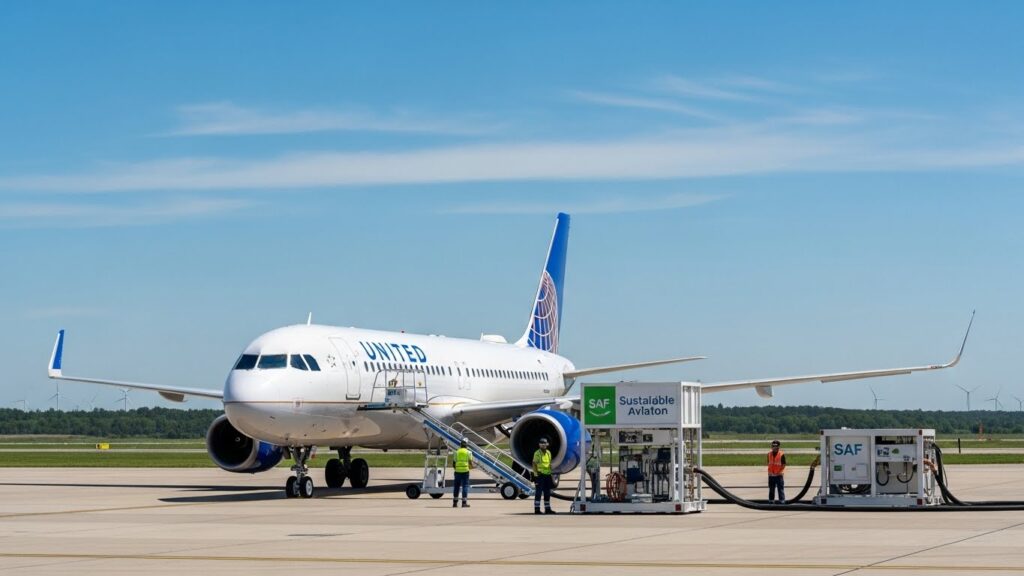
Sustainability has become a central theme in the aviation industry, and United Airlines has actively adopted sustainable aviation practices. The airline invests in fuel efficient aircraft, sustainable aviation fuel (SAF) and carbon reduction initiatives.
For example, United Airlines has a goal of achieving net zero greenhouse gas emissions by 2050. This commitment is not only in line with global environmental goals, but also attracts environmentally conscious travelers, reflecting broader post-pandemic travel trends where sustainability influences purchasing decisions.
Enhancing Customer Experience Onboard
The service on board has also developed to meet the increased expectations. United Airlines has improved in-flight amenities, including upgraded seating, healthier food options and better Wi-Fi connectivity.
In addition, contactless payment systems and digital entertainment options contribute to the modern airline customer experience. These innovations make passengers feel safe, comfortable and valued, strengthening loyalty and repeat business.
Employee Training and Support
An important component of United Airlines’ adaptation strategy is the preparedness of the employees. The airline is investing in extensive training programs for flight attendants, ground staff and customer service representatives to develop new safety protocols and passenger expectations.
Assistanseprogrammer fokuserer også på ansattes velvære, noe som indirekte forbedrer flyselskapets kundeopplevelse. Well-trained and motivated employees are better equipped to provide attentive service and handle any challenges that may arise from operational changes.
Flexible Policies and Refund Options
A key aspect of travel trends after the pandemic is the demand for flexibility. Travelers now expect easy rescheduling, refunds and cancellations without excessive penalties.
United Airlines has introduced flexible booking policies and simplified refund procedures, demonstrating that they are responsive to passengers’ needs. These initiatives reduce travel anxiety, increase bookings and increase overall satisfaction, giving the airline a favorable position among its competitors.
Digital Communication and Engagement

Communication has become important in the post-pandemic. United Airlines uses social media, email and mobile apps to provide timely updates on flight routes, security measures and promotions.
Digital engagement allows airlines to quickly respond to customer inquiries, share safety protocols and educate passengers about sustainable aviation practices. Effective communication builds trust and improves the airline’s customer experience, ensuring passengers feel informed and safe.
Strategic Partnerships and Alliances
Collaboration with global partners is another method United Airlines uses to adapt. Codeshare agreements, airline alliances and partnerships with travel companies expand connectivity and provide passengers with a seamless travel experience.
These strategic initiatives support broader post-pandemic travel trends by making international travel more accessible, reducing transit stress and improving customer convenience.
Financial Resilience and Investment
The financial consequences of the pandemic were significant for the airlines. United Airlines has made strategic investments in fleet modernization, technology and customer service improvements to ensure long-term resilience.
Investments in fuel-efficient aircraft, automation and employee training programs reduce operating costs while improving service quality. This financial strategy enables United Airlines to respond to changing demand and maintain a competitive position in the emerging travel market.
Future Outlook for United Airlines
As the airline industry continues to reform, United Airlines focuses on innovation, sustainability and customer-focused operations. The airline’s proactive approach to post-pandemic travel trends, including technology adoption, enhanced security and flexible policies, positions it for continued growth.
With continued investment in sustainable aviation practices and emphasis on a superior airline customer experience, United Airlines is not only responding to the challenges of the past, but shaping the future of air travel.
Conclusion
The post-pandemic travel landscape requires adaptability, innovation and a customer-first approach. United Airlines exemplifies how large airlines can effectively meet these challenges. Through advanced security measures, route optimization, technology integration, sustainability initiatives and flexible policies, the airline has redefined the passenger experience while remaining financially and operationally flexible.
As travelers continue to prioritize health, convenience and environmental responsibility, United Airlines continues to evolve, ensuring it meets modern expectations and sets a standard in the airline industry.