JetBlue has emerged as one of the most influential airlines in the United States. Known for prioritizing customer convenience and offering innovative services, JetBlue has expanded domestically and internationally, reshaping the way passengers experience air travel. This growth not only strengthens the airline’s position, but also affects the wider airline industry, prompting competitors to rethink strategies and improve services.
As travelers seek comfort, affordability and convenience, JetBlue has established itself as a leading choice. The expansion into new markets and destinations improves the overall travel experience, giving travelers more choice, better services and competitive prices. By balancing innovation and customer satisfaction, JetBlue continues to redefine modern air travel.
Domestic Expansion: Connecting Cities Across the US
One of JetBlue’s main strategies is to expand its domestic network. By establishing new hubs and increasing flight frequencies, the airline connects smaller cities to large metropolitan areas. These efforts have had a remarkable impact on the airline industry, prompting other airlines to upgrade their offerings to remain competitive.
Domestic developments also directly improve passengers’ travel experience. More direct flights, flexible timetables and better prices make the journey faster and more convenient. Travelers now benefit from JetBlue’s strategic expansions, from reduced layovers to improved customer service, making the airline a preferred choice for domestic travel.
The airline also focuses on less served routes, ensuring connections to cities that previously had limited options. This strategy supports both tourism and business travel, boosting regional economies while strengthening JetBlue’s domestic presence.
International Expansion: Exploring New Horizons
Beyond domestic borders, JetBlue has carefully expanded its international footprint. The Caribbean, Latin America and selected transatlantic routes have become part of the growing portfolio. By entering these markets, JetBlue not only expands its reach, but also improves its global connectivity.
This international expansion affects the airline industry by increasing competition in long-haul travel and encouraging other airlines to improve the quality of their services. For passengers, JetBlue offers a superior travel experience with comfortable seating, in-flight entertainment and competitive fares on international routes.
Furthermore, JetBlue’s approach emphasizes more than just connecting destinations – it focuses on creating an enhanced experience. For example, extra legroom, free Wi-Fi and the airlines’ emphasis on customer-friendly services are creating new expectations for international travel. This strategy strengthens brand loyalty and attracts new travelers seeking reliable, comfortable flights.
Enhancing the Travel Experience Through Innovation

A key element of JetBlue’s expansion is the focus on improving the travel experience. Innovations such as high-speed Wi-Fi, satellite TV, extra legroom options and upgraded lounges contribute to passenger satisfaction. These reforms are affecting the airline industry, prompting competitors to adopt similar innovations to remain relevant.
Technological integration also plays an important role. Online booking systems, mobile apps, real-time flight alerts and digital check-in ensure a seamless journey. By investing in technology, JetBlue not only improves operational efficiency, but also enriches the travel experience, making air travel less stressful and more enjoyable for passengers.
Strategic Flight Routes and Market Positioning
JetBlue’s success in expansion depends largely on carefully selected routes. By targeting underserved markets while strengthening existing hubs, the airline maximizes efficiency and profitability. This strategy has a significant impact on the airline industry, promoting healthy competition and improving the sector as a whole.
For travelers, these strategic flight routes provide more direct options, shorter travel times and greater flexibility in travel planning. Whether flying domestically or internationally, the availability of well-planned flight routes ensures that passengers can reach their destinations with minimum hassles, thereby enhancing the travel experience.
Airlines also consider market demand, seasonal trends and regional connectivity when planning new routes. This systematic approach ensures sustainable growth while maintaining the quality of service to customers.
Impact on the Airline Industry and Competitors
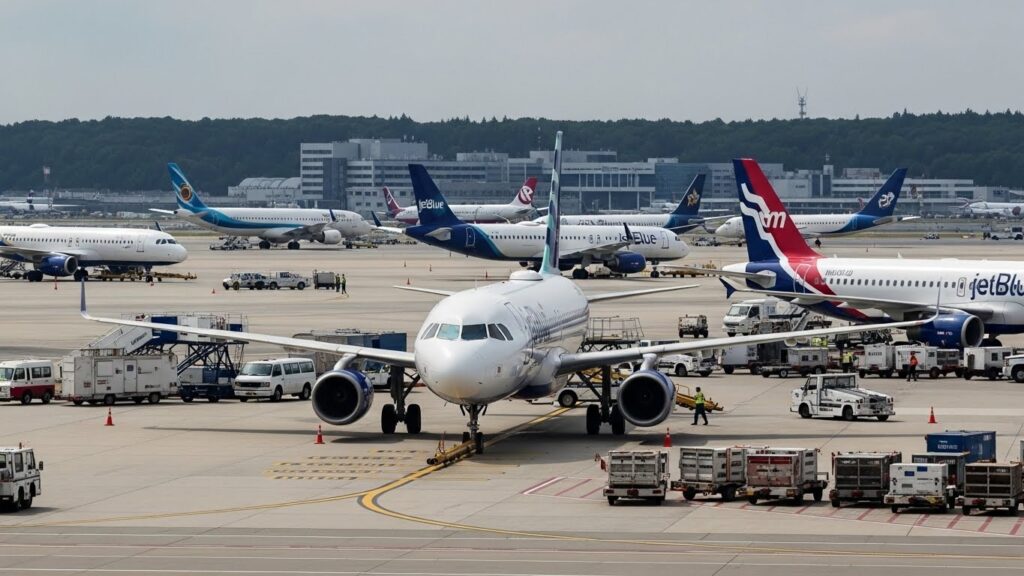
JetBlue’s growth has led to significant changes in the airline industry. Competitors have been forced to improve services, adjust pricing strategies and explore new markets to maintain market share. This competitive environment benefits passengers by offering better travel options and higher service standards.
In addition, JetBlue’s focus on innovation, customer satisfaction and strategic flight routes underscores the importance of a passenger-centric approach. Airlines that adopt similar strategies are better positioned to succeed in today’s highly dynamic and competitive industry.
By constantly raising the bar, JetBlue has set a standard in the airline industry, encouraging competitors to rethink their operations and services. Passengers benefit from this competitive pressure and enjoy a better travel experience across multiple carriers.
Sustainability and Future Prospects
Sustainability has become an important factor in JetBlue’s expansion. The airline invests in fuel-efficient aircraft, carbon offset programs and environmentally friendly operations. This commitment affects the wider airline industry, inspiring competitors to take green initiatives.
Travelers also benefit from these sustainable practices. By choosing JetBlue, travelers experience a responsible travel experience that combines convenience with environmental awareness. Looking ahead, JetBlue plans to expand into more international markets, improve passenger services and maintain its competitive edge in the airline industry.
The airline’s commitment to sustainability, combined with careful route planning and service innovation, ensures that JetBlue will continue to play a key role in shaping global travel trends.
Customer-Centric Approach and Service Excellence
A hallmark of JetBlue’s expansion is its commitment to service excellence. The airline prioritizes passenger comfort, safety and satisfaction, which strengthens loyalty and brand recognition. This approach improves the travel experience for all passengers, whether flying short-haul domestic routes or long-haul international flights.
By focusing on customers’ needs, JetBlue differentiates itself from its competitors in the airline industry. Personal services, responsive support and attention to detail make the airline a preferred choice for leisure and business travelers alike. This customer-centric strategy complements the growth plans and ensures sustainable success.
Conclusion
Through strategic national and international expansion, innovative services and a focus on passenger satisfaction, JetBlue is reshaping the air travel landscape. Its growth impacts the airline industry, encourages innovation and improves the overall travel experience.
With carefully planned routes, investments in technology and a commitment to sustainability, JetBlue demonstrates how thoughtful expansion can benefit both the airline and its passengers. Travelers who choose JetBlue can expect reliable, comfortable and enjoyable journeys, whether flying across the United States or exploring new international destinations.
As JetBlue continues to innovate and grow, its impact on the airline industry will continue to be significant, setting the standard for service quality, routing and customer experience around the world.