The recent disruption of canada tourism freeze us destinations has created significant challenges for the US travel and tourism industry. With millions of Canadians previously traveling to US states for leisure, business and shopping, the sudden halt has disrupted normal economic patterns. The decline in cross-border travel has affected retail sales, hotel bookings and restaurant revenues in many regions.
Tourism contributes greatly to local economies, especially in border states such as New York, Michigan and Washington. Canada tourism freeze us destinations highlights America’s reliance on international visitors and the need for proactive measures to maintain US tourism revenues during a period of limited travel activity.
Historical Context of Canadian Tourism to the US
Canada has traditionally been one of the largest sources of international tourists for the United States. Before the break, Canadian travelers contributed billions annually to U.S. tourism revenue, supporting the hospitality, retail and transportation sectors. States such as Florida and California also saw an increase in seasonal travel from Canadian visitors, leading to increased hotel occupancy and airport traffic.
The decline in cross-border travel due to the closure is unprecedented in recent decades, disrupting consumer spending and seasonal employment patterns in industries dependent on tourism. Understanding these changes is important for policy makers and business owners navigating the new landscape.
Impact on Hotel and Hospitality Industry
Hotels and resorts in popular border states have experienced significant declines in occupancy rates. With fewer Canadian tourists, many businesses are reporting revenue losses during peak travel periods. The hospitality sector has responded through hospitality industry adaptations, including offering discounted rates to domestic travelers and improving loyalty programs to encourage repeat visits.
States with a heavy reliance on international tourism are now looking for ways to diversify their tourist base. By targeting domestic tourists or travelers from other countries, hotels aim to recoup lost revenue due to the disruption in Canada tourism freeze us destinations.
Retail and Dining Sector Feeling the Crunch
Retail stores and restaurants near the borders have historically benefited from Canadian shoppers. Sales of luxury goods, clothing and restaurants have fallen sharply due to the decline in cross-border travel. Many American businesses are adjusting their marketing strategies, increasing local promotions and encouraging domestic trade to combat revenue losses.
The financial consequences of the ban also fall on the employees. Reduced consumer spending in retail and dining can lead to temporary layoffs or reduced working hours, which further affects the local economy. Companies are making adjustments for the hospitality industry to retain employees and maintain service standards despite the recession.
Airlines and Transportation Industry Adjustments
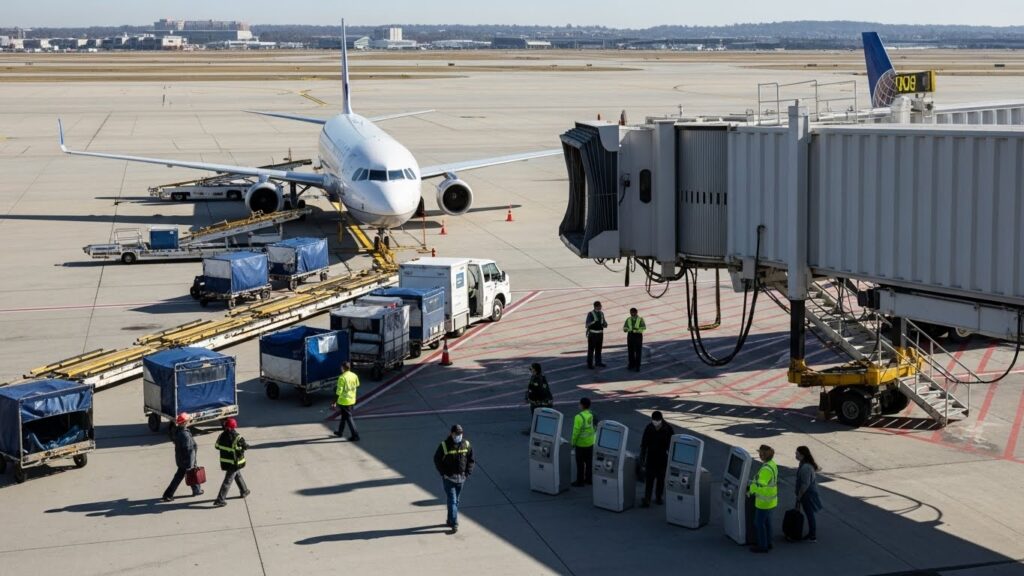
Airlines, buses and cross-border transport services have been forced to change timetables in response to reduced demand. Travel agencies are reporting fewer bookings, while regional airports have seen the number of Canadian tourists drop.
US tourism revenue from transportation hubs has been hit, forcing airlines and bus operators to seek alternative markets. Some operators have focused on domestic routes, leveraging the hospitality industry adaptation strategies to maintain operational viability during the ongoing disruption.
State Level Economic Consequences
States dependent on tourism revenue are facing budget pressures. Reduced tax revenues from hotel occupancy, sales taxes and travel-related taxes threaten the financing of infrastructure, tourism promotion and public services.
The disruption in Canada tourism freeze us destinations has highlighted vulnerabilities in states like Vermont, Maine and Michigan, where Canadian tourists make up a large share of annual travel spending. Politicians are considering stimulus measures to support affected sectors and investing in strategies to mitigate the decline in cross-border travel.
Long-term Implications on US Tourism Revenue
Beyond the immediate economic loss, the hiatus could have a long-term impact on U.S. tourism revenues. Travelers can change preferences, search for alternative destinations or postpone travel plans indefinitely. The hospitality and retail sectors may need to invest in digital marketing, online sales channels and improved customer experience to retain loyalty.
Optimization strategies for the hospitality industry such as flexible booking policies, contactless payment options and better domestic travel packages have become essential to sustain operations. States that successfully implement these measures are more likely to minimize economic damage and maintain tourist inflows after restrictions are eased.
Innovative Strategies to Counter the Freeze

American businesses are not passive in the face of these challenges. Marketing campaigns aimed at domestic audiences, collaborations with local attractions and package tours are emerging as common techniques for optimizing the hospitality industry.
By emphasizing the unique experiences available to U.S. travelers, companies are aiming to offset losses caused by the decline in cross-border travel. In addition, hotels and attractions are improving digital communications and online booking platforms to attract customers and retain US tourism revenue.
Case Study: Florida’s Tourism Response
Florida, traditionally a draw for Canadian tourists, has implemented innovative strategies to deal with the freeze. Hotels introduced domestically focused promotions, airlines offered flexible flight changes, and attractions increased security protocols to encourage local tourism.
These measures highlight effective adaptations by the hospitality industry in response to the disruption of Canadian tourism and its growing impact on US destinations. Florida aims to maintain tourism revenue while preparing for the eventual return of Canadian visitors.
Environmental and Community Considerations
Interestingly, the moratorium also provides opportunities for local communities to raise environmental and sustainability issues. Reducing cross-border traffic reduces carbon emissions and reduces pressure on local infrastructure. Society is now exploring sustainable tourism practices to balance future economic growth with environmental responsibility.
Integrating post-pandemic tourism strategies with sustainable practices can ensure long-term viability while increasing overall US tourism revenue in a more responsible manner.
Conclusion
The disruption of canada tourism freeze us destinations has significantly affected many sectors, from hospitality and retail to transportation and state economies. The decline in cross-border travel has led to loss of income, operational adjustments and the need for innovative adaptations of the hospitality industry.
American businesses and policymakers are responding through marketing, flexible services, domestic tourism and sustainability initiatives. These measures are intended to preserve US tourism revenue and prepare states for recovery when Canadian travel resumes. Understanding these economic consequences is important for long-term planning and flexibility in the face of evolving international travel conditions.