Introduction: Fold point for stability
The world is at a junction today. Since decades, useless consumption and short -term function have operated our habits, leading to garbage cans, landfills and led to growing carbon footprint. But this story changes. Several individuals, companies and communities embrace a movement that affects resources, creativity and responsibilities. When it was seen as garbage, it is now turned into innovation. The emergence of everyday permanent alternatives shows how small alternatives can cause major influences. A prominent example of this change is the increasing use of pappedeckel, a simple but powerful material that replaces harmful alternatives and rewrites the history of consumption.
Why do small options mean
The discussion around stability is often focused on large-scale functions- renewable energy, global climate agreements or corporate initiatives. Nevertheless, the heart of this movement lies in alternatives that ordinary people make daily. The way we eat food, the way we store food weighs every small decision. To replace a plastic strand with a paper you can seem insignificant to carry a re -swing bag, instead of relying on the disposal, or switching to a recycled cup lid. However, millions of such alternatives strengthen wave effects that are much stronger to reopen industries. This is why products like pappedeckel are more than just practical things – they symbolize a cultural change to attentive consumption
Pappeckel rises as a permanent solution
In Germany and many parts of Europe, pappedeckel-Cardboard Lids – Innovation has become a good example of the need for a meeting. Traditionally, the plastic lids dominated the market for a technical drink. While cheap and durable, he contributed to large-scale non-bestrained waste. On the other hand, Pappechl offers recycled, biodegradable and environmentally conscious alternatives.
This makes this material even more attractive, the versatility is. Whether used in cafes, restaurants or events, peppery proves that convenience does not mean waste. Popularity has increased rapidly as it balances practically with responsibility. Companies that use this option not only reduce the environmental footprint, but are also linked to customers who require fast green areas.
How Pappeckel inspires widespread innovation
Pappedeckel success is not just about a product. This represents a broader theory: that permanent design can change industries. When companies see the benefits of transferring in green pins, the innovation is expanded to their product lines. This wave effect leads to an invention culture where it is designed with stability in terms of everyday objects.
Take, for example, the concept of environmentally friendly packaging. From cardboard containers to compostable cutlery, the packaging is built globally. The company now understands that stability sells – not only as a moral statement, but also as a smart business strategy. Customers are more loyal to brands that actively reduce waste, and the authorities support such efforts through law and encouragement. Pappeckel can look simple,
Changes in consumers’ consciousness change
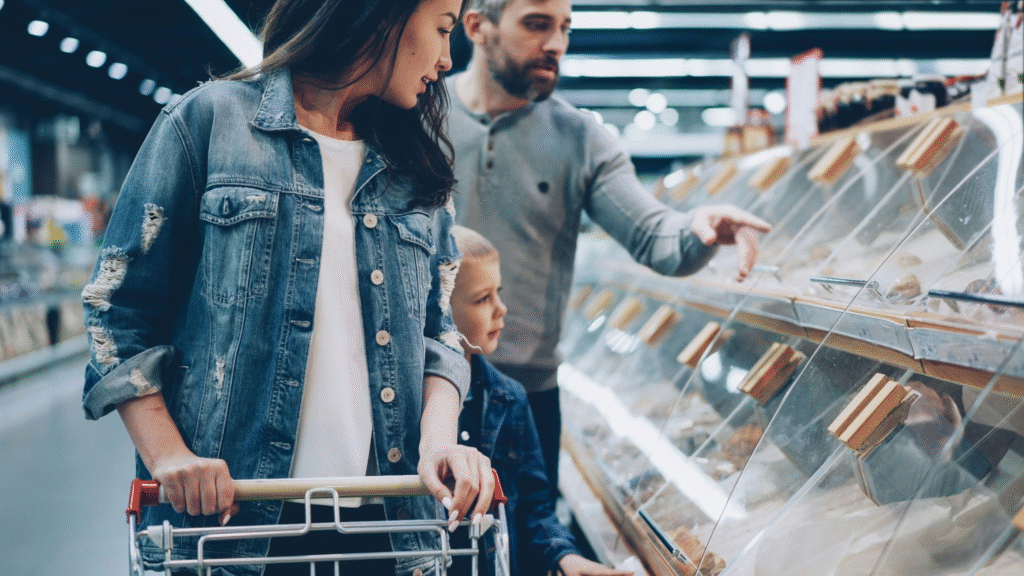
No permanent movement can succeed without public support, and consumer awareness is important to increase the demand for options. Campaigns on social media, documentaries and environmental activism have highlighted the damage caused by disposable plastic. As a result, customers today ask hard questions: Is this product recycled? Does this company care about the planet? Why is plastic used when a better alternative is present?
This increasing awareness has given rise to the demand for materials such as pappedeckel. By choosing companies that use Papplokk on plastic, consumers directly affect the market. Their purchasing power becomes a form of activism, which indicates that the future is one of those who prefer stability.
The role of companies and authorities
While consumers play their role, companies and authorities also have a great responsibility to shape the road. Many companies have adopted the shift by using eco-friendly packaging standards, not only to delight customers, but also to prepare strict environmental laws. At the same time, Europe and beyond governments prohibit some utilized plastic, making the new standard as pappedeckel.
This collaborative approach – where business innovations, demand consumer changes and authorities use rules – create a powerful ecosystem. Together, they ensure that a permanent alternative is not just a trend, but a permanent solution for the future.
In addition to packaging: everyday options make a difference
Although pappedeckel is a strong symbol of this movement, it is only part of a big story. All over the world, normal objects are built to reduce waste. From bamboo toothbrushes to recycling coffee cups, from biodegradable biodegradable phones to recycled fabric clothing, the possibilities are endless. These options not only replace useless products; They inspire people to see everyday life differently.
It is important to change our opinion. Instead of looking at waste as inevitable, society now sees it as a design error – which can be cured with creativity. By using permanent materials, we come closer to a circular economy where resources are reused, recycled and renewed instead of leaving.
Challenges and opportunities ahead
Of course, travel is not without obstacles. The cost is still a challenge for many companies, as the production of eco-fruits can be more expensive than traditional plastic. Some critics also claim that although alternatives such as pappedeckel are better, they still need energy and resources for construction.
Still, these challenges provide opportunities. Innovation, with large -scale adoption and state support, reduces the cost of permanent products continuously. New technologies make biodegradable material strong, cheap and more accessible. The increasing popularity of environmentally friendly packaging further accelerates this change, proving that permanent products can not only compete morally but also financially.
Conclusions: From waste to surprise
The rise of everyday durable alternatives marks a defined moment in how we approach consumption. Products like pappedeckel reminded us that small changes can have a monumental effect. When considered useless, it has now been rebuilt as an opportunity for innovation, responsibility and creativity.
As consumers require more sustainable alternatives, as companies embrace conscious designs against the environment, and when governments use green policy, the world gradually transfers one of one of the wonders from the garbage culture. Each small decision-making chooses a plastic pap, or supports environmentally friendly packaging-for a collective movement that ensures a healthy planet for generations to come.
From garbage to surprise, the journey has only started, and this is proof that even the simplest options can lead to the most inspiring heritage.